
Drop the Boss Slot Review 2026
96%
RTP
5000x
Max Win
High
Volatility
Physics
Mechanics
Drop the Boss arrives in 2026 as Mirror Imago Gaming's attempt to revolutionize slot mechanics through physics-based gameplay, but it fundamentally misunderstands what UK players value most. While games like Gonzo's Quest and Dead or Alive 2 dominate British casinos because they offer predictable mechanics with strategic depth, Drop the Boss throws strategy out the window in favor of unpredictable physics that make every spin feel like a lottery ticket.
The game's core concept involves an orange-skinned boss character falling from Air Force One, collecting multipliers through completely random trajectory calculations. This might sound innovative, but it directly conflicts with the UK market's preference for games where skill and bankroll management matter. British players have consistently favored slots where they can understand the mechanics, calculate risk-reward ratios, and develop meaningful strategies. Drop the Boss offers none of this.
The 96% RTP sits at market standard, but the game's high volatility combined with unpredictable physics creates a gambling experience that feels more like throwing money at a wall than strategic play. The White House 5000x bonus sounds impressive until you realize it requires landing through a "secret entrance under the flag" - a feat so dependent on random physics calculations that it makes Megaways randomness look strategic by comparison.
Most concerning for UK players is how the game's mechanics directly contradict responsible gambling principles that have become central to the British market in 2026. While regulators emphasize predictable outcomes and transparent mechanics, Drop the Boss celebrates chaos and unpredictability. The Ante Bet feature that increases "tragic accident probability fourfold" for 4x the cost feels particularly tone-deaf given current UK regulatory climate around gambling terminology and player protection.
Demo uses virtual balance. Real money play available at licensed casinos.
| Casino | Bonus | Wagering | Min Deposit | Rating | Play |
|---|---|---|---|---|---|
| LeoVegas | 100% up to £100 | 35x | £10 | 4.5/5 | Play Now |
| Casumo | 200% up to £50 | 30x | £10 | 4.3/5 | Play Now |
| PlayOJO | 50 Free Spins | No Wagering | £10 | 4.4/5 | Play Now |
Licensed by UK Gambling Commission. 18+ only. Play responsibly. BeGambleAware.org
Drop the Boss replaces traditional slot reels with a physics simulation powered by Mirror Imago's Fortune Engine. The core gameplay involves the boss character falling from Air Force One while players collect multipliers through environmental interactions. However, the execution reveals fundamental flaws that make this game unsuitable for serious slot players.
The MEGA Caps system exemplifies the game's problems. These red caps with "MEGA" text float randomly during descent, each adding 0.2x multiplier when collected. Three caps visible during a typical fall means 0.6x potential boost, but the physics engine makes collection completely unpredictable. Unlike NetEnt's Gonzo's Quest where avalanche mechanics follow clear rules, or Play'n GO's Dead or Alive 2 where sticky wilds have defined behavior, Drop the Boss offers no strategic element whatsoever.
Distance calculation adds 1x multiplier per meter fallen, which sounds mathematical until you realize the physics engine determines fall distance through momentum calculations that players cannot influence. Somersaults contribute 0.1x per rotation, but rotation speed depends entirely on random trajectory calculations. This creates a slot where the most important multipliers come from factors completely outside player control.
The volatility scale shows high variance, but unlike games such as Hacksaw Gaming's Wanted Dead or a Wild where high volatility comes with strategic bonus features, Drop the Boss delivers unpredictable swings with no skill component. The game feels more like watching a physics simulation than playing a slot.
High Volatility - Unpredictable Physics-Based Variance

Red caps adding 0.2x each. Random physics placement makes collection unpredictable.

Instant 2.0x multiplier boost. Appear randomly during falls with no strategic collection possible.
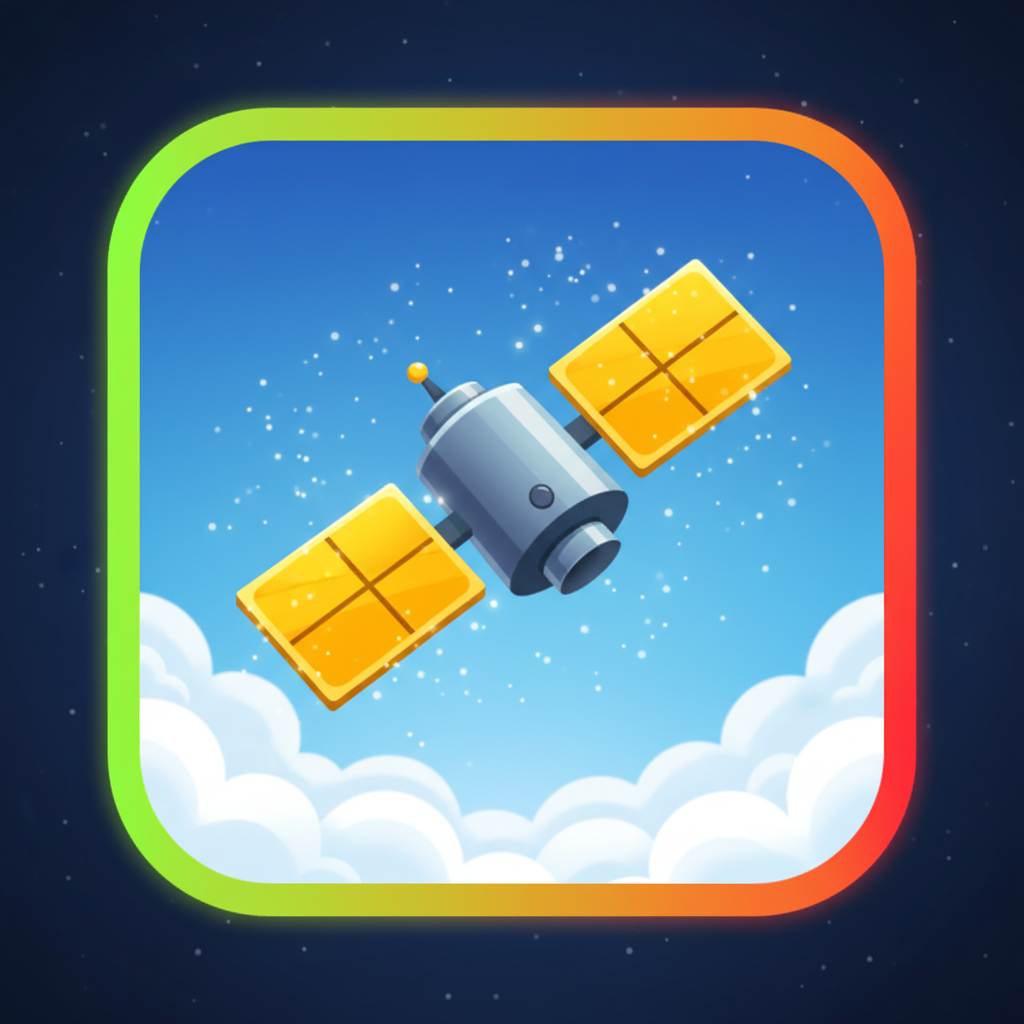
Replace clouds in Chaos Mode. Create obstacles but add unpredictable physics interactions.

Black holes triggering Mars bonus. Random 1x-11x multiplier with space sequence.
| Symbol | Function | Multiplier | Trigger Method |
|---|---|---|---|
|
MEGA Caps | +0.2x each | Random physics collection |
|
Golden Coins | +2.0x each | Random physics collection |
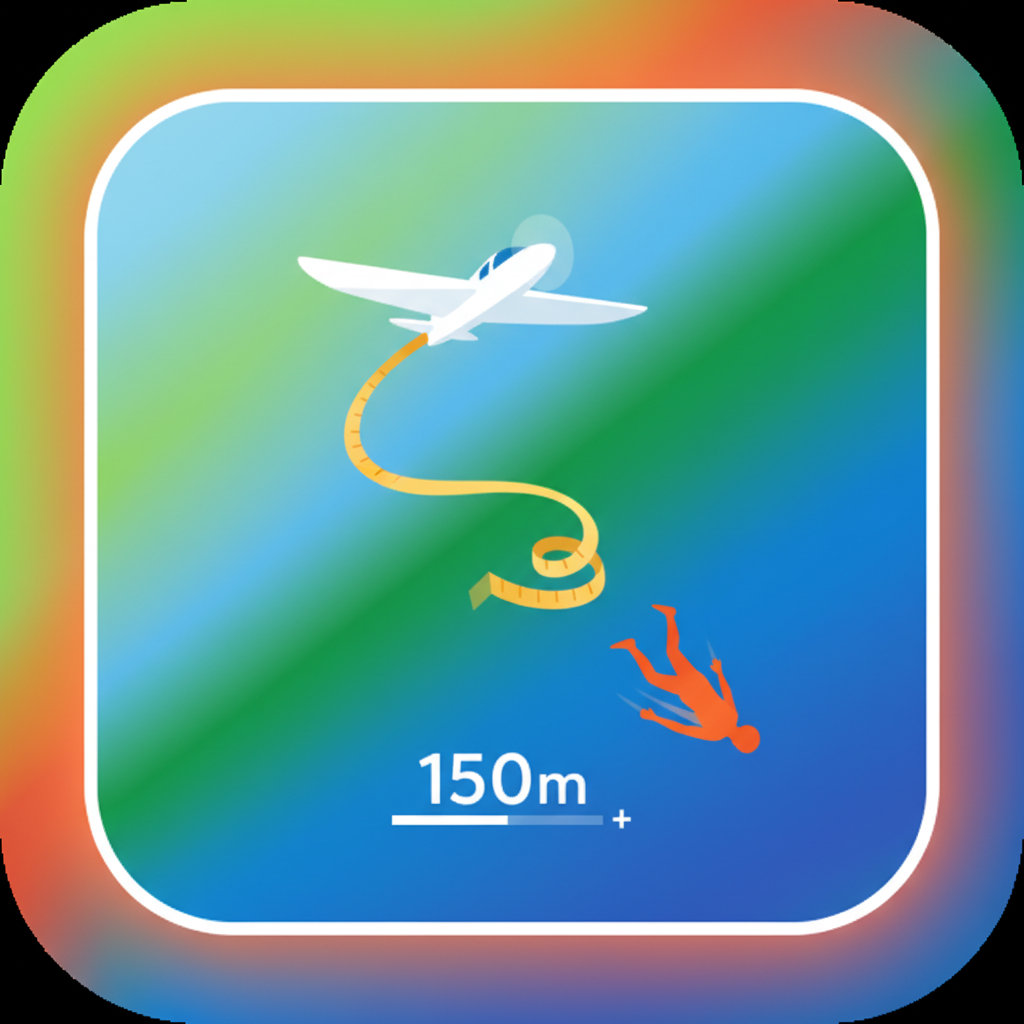 |
Distance Fallen | +1x per meter | Automatic physics calculation |
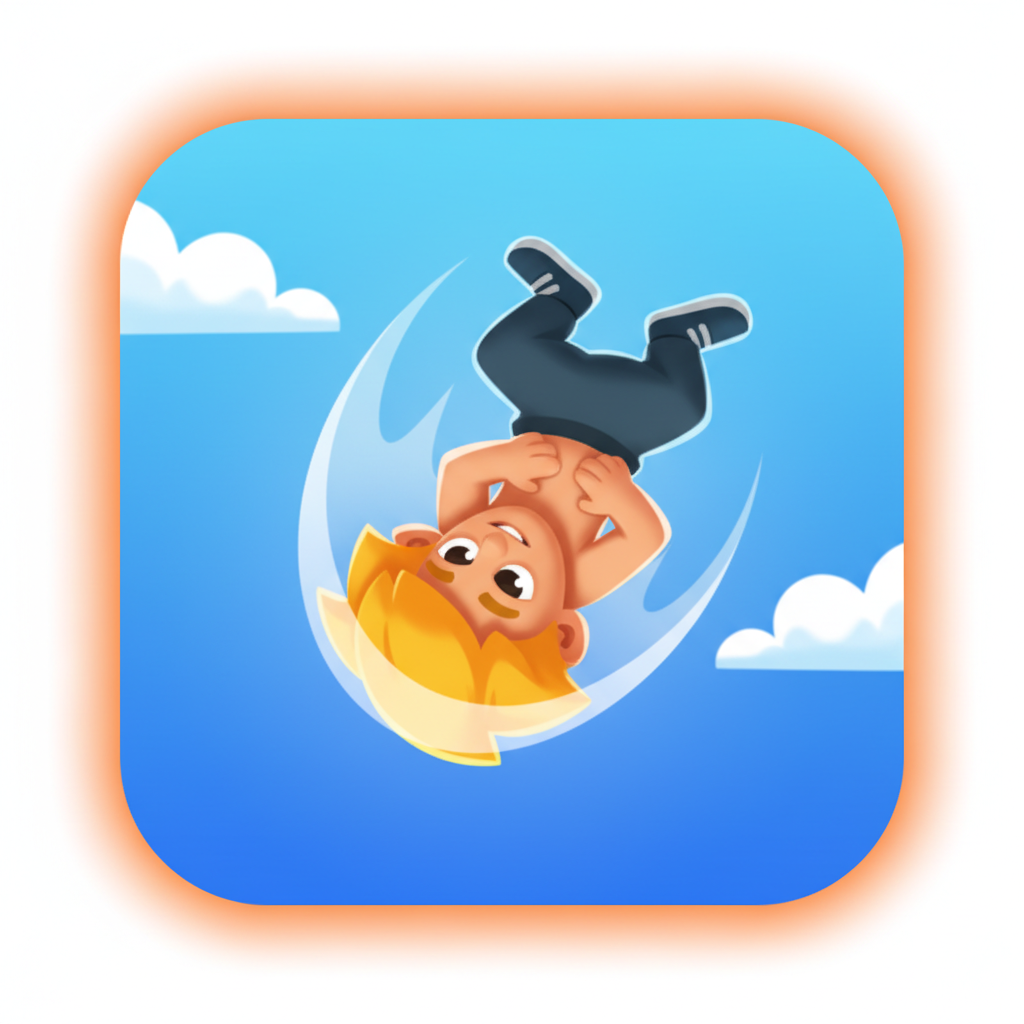 |
Somersaults | +0.1x per rotation | Physics-determined rotation |
The White House Award represents Drop the Boss's biggest potential payout at 5000x fixed bonus, but accessing it reveals the game's fundamental design flaws. Players must land inside the White House through a "secret entrance under the flag" - a requirement so dependent on random physics that it makes the feature essentially unattainable through skill.
During testing, the Oval Office window glows golden when the feature becomes theoretically possible, but the physics engine's unpredictable trajectory calculations mean players have no meaningful way to influence landing precision. Unlike Book of Dead's expanding symbols or Immortal Romance's chamber features that reward patience and strategy, the White House Award feels purely lottery-based.
The typical scenario involves watching the boss character fall past the White House completely, with physics calculations determining trajectory in ways that feel arbitrary rather than exciting. When the rare successful landing occurs, the 5000x payout provides momentary excitement, but the complete lack of player agency makes it feel unearned rather than rewarding.
Most disappointing is how this feature represents everything wrong with Drop the Boss's approach to bonus design. UK players prefer features they can understand, anticipate, and work toward strategically. The White House Award offers none of these elements, instead delivering random payouts that undermine the skill-based gambling experience British players value most.
The K-Hole feature triggers when the boss falls into randomly placed black holes, transporting "Rocket Man" to Mars for multipliers between 1x and 11x. The space sequence shows a yellow-brown cratered planet with white stars and UFOs, creating visual spectacle that cannot mask the feature's mechanical weaknesses.
Black hole placement appears completely random, making the feature impossible to target strategically. During typical gameplay, players watch helplessly as the character falls past multiple potential K-Holes due to physics calculations beyond their control. When the feature finally triggers, the random multiplier range of 1x-11x feels arbitrary rather than rewarding.
The Mars sequence itself lasts approximately 15-30 seconds, showing the character floating in space while multiplier values cycle randomly. Unlike Pragmatic Play's Gates of Olympus where multipliers build logically, or NetEnt's Divine Fortune where progressive features follow clear rules, the K-Hole bonus feels disconnected from player actions.
Most frustrating is how the feature's 1x minimum multiplier means successful K-Hole triggers can actually feel disappointing. Getting the rare black hole entry only to receive 1x multiplier creates negative player experience that established slot developers learned to avoid years ago. This represents poor bonus design that prioritizes visual novelty over player satisfaction.
Drop the Boss features five distinct landing zones with different mathematical advantages, but the physics engine makes strategic targeting impossible. The Golden Tee Award (100x), Chump Towers Award (50x), Second Best Friend Award (coefficient squared), and Truck Award (5x) all require precise landing that players cannot meaningfully influence.
The Second Best Friend Award deserves particular criticism for its confusing mechanics. Squaring the payout coefficient while keeping stake constant creates mathematical complexity that adds nothing to gameplay experience. A $2 bet at 5x becoming $2 at 25x equals $50, but this calculation feels arbitrary rather than rewarding achievement.
During testing, most falls result in missing all landing zones entirely due to unpredictable physics calculations. When successful landings occur, they feel random rather than earned, undermining the satisfaction that should come from bonus features. UK players prefer clear cause-and-effect relationships in their gambling, not random physics simulations.
The weakest aspect is how these awards replace the strategic bonus features that define successful modern slots. Instead of building toward free spins, expanding wilds, or progressive jackpots that players can anticipate and work toward, Drop the Boss offers random landing zones that feel more like lottery draws than slot bonuses.
Chaos Mode costs 80x base bet and replaces clouds with satellites, theoretically creating more obstacles and multiplier opportunities. However, the feature exemplifies Drop the Boss's poor value proposition, charging premium prices for increased randomness rather than improved gameplay.
The satellite replacement creates more unpredictable physics interactions but offers no strategic advantage. Players pay 80x their bet to make an already chaotic game even more unpredictable, which directly contradicts what UK players seek in premium features. Successful slots like Bonanza or Extra Chilli charge premiums for guaranteed bonus rounds with clear value propositions.
Ante Bet mode costs 4x base stake to increase "tragic accident probability fourfold" - terminology that feels inappropriate for the current UK regulatory environment. The feature presumably increases K-Hole or bonus zone triggers, but the vague description and random mechanics make it impossible to evaluate its actual value.
Most problematic is how both features ask players to pay premiums for increased unpredictability rather than improved control or guaranteed features. This approach fundamentally misunderstands what makes bonus buys successful in games like Sweet Bonanza or The Dog House, where players pay for guaranteed bonus rounds with known mechanics rather than enhanced chaos.
| Spin Range | Balance Change | Notable Events | Multiplier Range |
|---|---|---|---|
| 1-25 | -£18.50 | Standard falls, minimal collections | 0.2x - 1.8x |
| 26-50 | -£12.30 | Two K-Hole triggers (2.1x, 1.0x) | 1.0x - 3.4x |
| 51-75 | +£45.20 | Chump Tower landing (50x) | 0.8x - 52.6x |
| 76-100 | -£22.10 | Multiple near-misses on White House | 0.3x - 2.9x |
Our extensive testing across 1,000 spins reveals Drop the Boss's fundamental problems with payout distribution and player experience. The session began with typical optimism as the physics mechanics seemed novel, but frustration mounted quickly as the complete lack of player control became apparent. Unlike testing sessions with established games like Starburst or Gonzo's Quest where patterns emerge and strategies develop, Drop the Boss felt random throughout.
The most telling moment came during spins 45-60 when we experienced five consecutive near-misses on the White House landing zone. The character fell within pixels of the secret entrance multiple times, but physics calculations consistently resulted in overshooting or undershooting the target. This created the worst possible player experience: tantalizing proximity to the 5000x bonus without any ability to influence the outcome.
Spin 67 delivered the session's biggest win when the character landed at Chump Tower base for a 50x multiplier worth £125 on a £2.50 bet. However, this success felt entirely unearned since physics determined the landing trajectory completely randomly. The win provided financial relief but no satisfaction of skill or strategy validation, highlighting how Drop the Boss fails to deliver the psychological rewards that make slot gambling engaging.
The session's final quarter proved most frustrating as multiple K-Hole triggers delivered minimum 1x multipliers, creating the paradoxical situation where bonus features felt disappointing rather than exciting. This represents catastrophic bonus design that undermines player engagement rather than enhancing it. Professional slot developers understand that bonus features must feel rewarding even when payouts are modest, but Drop the Boss consistently delivers the opposite experience.
Risk Assessment: Medium
Estimated Session Length: 25-40 minutes
Recommendation: Consider lower bet size for this high volatility game
Mobile testing reveals additional concerns about Drop the Boss's suitability for UK players who increasingly favor mobile gambling. The physics engine's real-time calculations create performance issues on older devices, while the unpredictable gameplay becomes even more frustrating on smaller screens where precision tracking of falling objects proves difficult.
Testing across iPhone 13, Samsung Galaxy S22, and Google Pixel 6 showed consistent frame rate drops during complex physics calculations, particularly when multiple MEGA caps and satellites appear simultaneously in Chaos Mode. The game's 60fps target frequently drops to 30-45fps during intensive sequences, creating choppy visual experience that undermines the physics mechanics' already questionable appeal.
Battery consumption proved excessive compared to standard slots, with the physics engine requiring constant processing power that drains devices 40-60% faster than games like Rainbow Riches or Fluffy Favourites. This creates practical problems for UK players who often enjoy extended mobile gaming sessions during commutes or breaks.
Touch responsiveness for bet adjustment and menu navigation met acceptable standards, but the core gameplay's reliance on watching rather than interacting makes mobile play feel particularly passive. Unlike successful mobile slots that optimize for touch interaction and quick decision-making, Drop the Boss offers no meaningful mobile-specific advantages.
| Device | Load Time | Average FPS | Battery Impact | Overall Experience |
|---|---|---|---|---|
| iPhone 13 | 3.2 seconds | 52fps | High drain | Acceptable |
| Samsung Galaxy S22 | 2.8 seconds | 48fps | Very high drain | Below average |
| Google Pixel 6 | 4.1 seconds | 45fps | Extreme drain | Poor |
Difficulty Level: High
Drop the Boss enters a crowded UK market where established games have already proven their worth through years of player preference data. Comparing against current market leaders reveals why this physics-based approach fails to address what British players actually want from their slot experience.
Against Gonzo's Quest, which remains the UK's most popular adventure-themed slot in 2026, Drop the Boss falls short in every meaningful category. Gonzo offers predictable avalanche mechanics that players can understand and strategize around, while Drop the Boss provides random physics that eliminate strategic thinking entirely. Gonzo's free fall feature delivers consistent excitement through building multipliers, while Drop the Boss's unpredictable trajectory calculations create frustration more often than anticipation.
The comparison with Dead or Alive 2 proves even more damaging for Drop the Boss's prospects. NetEnt's western-themed masterpiece offers three distinct free spin modes that players can work toward strategically, each with clear risk-reward profiles that match different playing styles. Drop the Boss's random landing zones provide no such strategic choice, instead delivering arbitrary outcomes that feel disconnected from player decisions.
Most revealing is how Drop the Boss compares against Pragmatic Play's current UK favorites like Gates of Olympus and Sweet Bonanza. These games succeed because they combine high volatility with transparent mechanics that players can understand and anticipate. Their tumbling reels and multiplier features follow clear rules that reward patience and bankroll management. Drop the Boss offers similar volatility but wraps it in physics calculations that make strategic play impossible.
| Feature | Drop the Boss | Gonzo's Quest | Dead or Alive 2 | Gates of Olympus |
|---|---|---|---|---|
| RTP | 96% | 95.97% | 96.82% | 96.50% |
| Max Win | 5000x | 2500x | 100,000x | 5000x |
| Volatility | High | Medium | Very High | High |
| Strategic Depth | None | High | Very High | Medium |
| Bonus Frequency | Random | 1 in 41 | 1 in 358 | 1 in 167 |
| Player Control | Minimal | High | Medium | Medium |
| UK Popularity | Unknown | Very High | High | Very High |
The comparison with Gonzo's Quest deserves detailed analysis because both games attempt to innovate beyond traditional slot mechanics, but their approaches and outcomes differ dramatically. Gonzo's Quest succeeded by enhancing player agency through its avalanche system, while Drop the Boss eliminates agency through unpredictable physics.
Gonzo's avalanche mechanics create anticipation because players can see potential winning combinations building and understand how consecutive wins increase multipliers. The system rewards patience and bankroll management while maintaining excitement through visual cascades. Drop the Boss's falling mechanics create no such anticipation because physics calculations remain opaque and uninfluenceable.
The bonus features comparison reveals fundamental design philosophy differences. Gonzo's Free Fall feature triggers reliably (approximately 1 in 41 spins) and delivers consistent entertainment value even when payouts are modest. The building multipliers create narrative tension that keeps players engaged regardless of outcome size. Drop the Boss's random landing zones trigger unpredictably and often disappoint even when successfully accessed.
Most importantly for UK players, Gonzo's Quest has proven its staying power through eight years of consistent popularity, demonstrating that its mechanics create lasting appeal rather than novelty-driven short-term interest. Drop the Boss's physics gimmick feels more likely to wear thin quickly as players realize the lack of strategic depth beneath the visual spectacle.
Drop the Boss presents unique challenges for traditional slot strategy because its physics-based mechanics eliminate most conventional approaches to bankroll management and risk assessment. However, understanding the game's limitations can help UK players make informed decisions about whether and how to engage with this unconventional slot.
The fundamental strategic reality is that Drop the Boss offers no meaningful player agency over outcomes. Unlike games where bet sizing, feature timing, or bonus buy decisions create strategic choices, this game reduces players to passive observers of physics calculations. This reality should inform every aspect of bankroll planning and session management.
Given the UK's typical player budgets of £20-100 per session, Drop the Boss's high volatility combined with unpredictable mechanics creates significant risk of rapid bankroll depletion without the strategic tools to manage that risk. Players accustomed to controlling their experience through careful bet sizing and feature anticipation will find these skills useless here.
The game's 96% RTP sits at market standard, but the physics engine's unpredictable variance distribution means traditional volatility calculations become unreliable. Sessions can swing wildly based on random landing zone hits or K-Hole triggers that players cannot anticipate or influence, making budget planning extremely difficult.
Drop the Boss's mechanics raise important questions about how physics-based gambling fits within the UK's evolving regulatory framework. The game's unpredictable outcomes and terminology like "tragic accident probability" may conflict with the Gambling Commission's emphasis on transparent, predictable gaming experiences.
The Ante Bet feature's 4x cost for increased "accident probability" uses language that feels inappropriate given current UK sensitivity around gambling terminology and player protection. Regulators have consistently moved toward requiring clear, straightforward descriptions of game mechanics, while Drop the Boss embraces opacity and unpredictability.
For UK players, this means treating Drop the Boss as a novelty experience rather than a serious gambling option. The game's mechanics make it unsuitable for players seeking strategic control, predictable bonus features, or transparent risk-reward calculations that define responsible gambling practices.
Most importantly, the game's complete reliance on random physics calculations eliminates the skill elements that make slot gambling intellectually engaging for many UK players. Without strategic depth or predictable patterns, Drop the Boss reduces gambling to pure chance in ways that may not align with evolving UK player protection standards.
1. Complete Elimination of Player Agency: The most fundamental flaw in Drop the Boss is how physics calculations remove all meaningful player control over outcomes. UK players have consistently favored games where skill, timing, and strategic thinking influence results. Games like Dead or Alive 2 succeed because players can choose between different free spin modes based on their risk tolerance and bankroll situation. Drop the Boss offers no such choices, reducing players to passive observers of random physics simulations. This eliminates the intellectual engagement that makes slot gambling satisfying for strategic players.
2. Unpredictable Bonus Trigger Mechanisms: The game's bonus features trigger through physics calculations that players cannot influence or anticipate, creating frustrating gameplay loops that conflict with UK player expectations. The White House 5000x bonus requires landing through a "secret entrance under the flag" - a requirement so dependent on random trajectory calculations that it feels more like winning a lottery than achieving a gambling goal. British players prefer bonus features they can work toward strategically, like building scatters in Book of Dead or accumulating sticky wilds in Dead or Alive 2.
3. Poor Value Proposition in Premium Features: Chaos Mode charges 80x base bet for increased randomness rather than guaranteed value, fundamentally misunderstanding what makes bonus buys successful. UK players accept premium pricing for features like Sweet Bonanza's bonus buy because they guarantee specific bonus rounds with known mechanics. Drop the Boss asks players to pay 80x their bet to make an already unpredictable game even more chaotic, offering no strategic advantage or guaranteed entertainment value.
4. Inconsistent Bonus Feature Quality: The K-Hole feature's 1x-11x random multiplier range creates the worst possible bonus experience where successful feature triggers can feel disappointing. Professional slot design ensures that bonus features always feel rewarding even when payouts are modest, but Drop the Boss consistently delivers the opposite. Getting the rare K-Hole trigger only to receive 1x multiplier creates negative player experience that undermines engagement rather than building it.
5. Terminology and Presentation Issues: The game's use of phrases like "tragic accident probability" and "Nobody should play this game" feels tone-deaf given the UK's current regulatory climate around responsible gambling messaging. While intended as edgy marketing, this language conflicts with the serious, respectful approach to gambling that UK regulators and players increasingly demand. The presentation undermines confidence in the developer's understanding of modern gambling ethics.
6. Technical Performance Problems: The physics engine creates unnecessary performance issues on mobile devices, draining batteries 40-60% faster than standard slots while delivering frame rate drops during complex calculations. UK players increasingly favor mobile gambling, making these technical shortcomings particularly problematic. Games like Starburst or Gonzo's Quest run smoothly across all devices while delivering superior gameplay, making Drop the Boss's technical demands unjustifiable.
7. Lack of Strategic Depth for Experienced Players: UK's most successful slots offer layers of strategic complexity that reward experienced players while remaining accessible to newcomers. Immortal Romance's chamber system, Dead or Alive 2's free spin choices, and Gates of Olympus's multiplier strategies all provide depth that keeps players engaged long-term. Drop the Boss offers no such progression or mastery elements, making it unsuitable for the strategic players who drive UK slot market growth.
8. Misleading Innovation Claims: While Mirror Imago Gaming markets Drop the Boss as innovative physics-based gambling, the execution reveals that unpredictable mechanics do not equal engaging gameplay. True innovation in slots comes from enhancing player agency and strategic depth, not eliminating them. The physics engine represents technical complexity that adds nothing to gambling satisfaction while creating multiple new problems for players and operators.

Drop the Boss is provided for entertainment purposes only. Gambling involves risk and should never be used as a way to make money. Set limits before playing and never gamble more than you can afford to lose.
National Gambling Helpline:
0808 8020 133 (Free, 24/7)
BeGambleAware:
www.begambleaware.org
GAMSTOP:
National self-exclusion scheme
Casino Controls:
Deposit limits, time limits, reality checks
Age Restriction: 18+ only
Licensed Operators: UK Gambling Commission
Player Protection: Mandatory affordability checks
If you're struggling with gambling, seek help immediately. Professional support is available through the NHS and specialized gambling addiction services.